
The Power of Fermented Foods: Traditional Nutrition for Mode...
Moringa and its Health Benefits
27 Oct, 2026



The Power of Fermented Foods: Traditional Nutrition for Modern Wellness
-
Holistic Health
-
06 Oct, 2026
Long before probiotic capsules, detox drinks and expensive wellness supplements became popular, people relied on something much simpler for digestion and overall health:fermented foods.
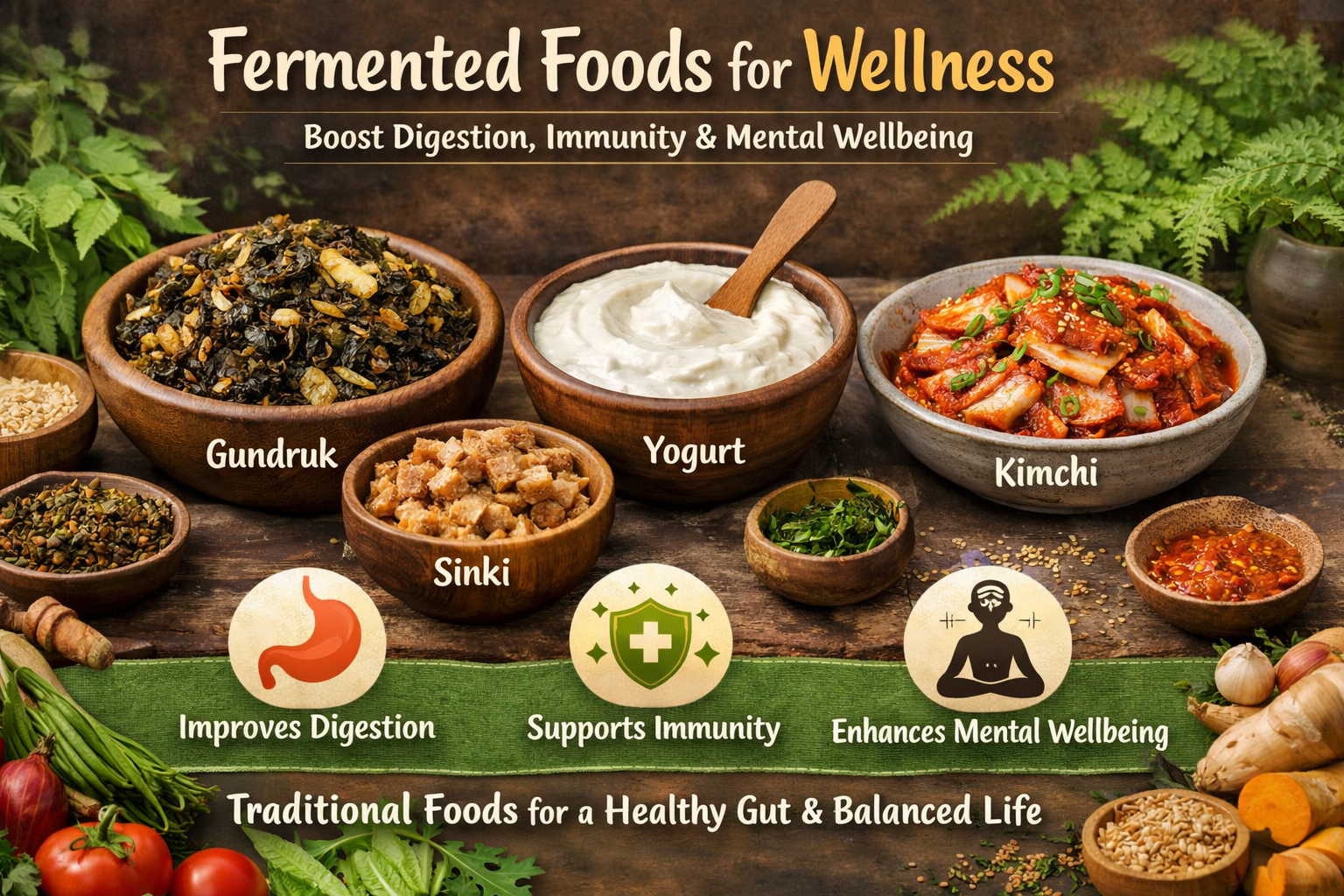
Across cultures and generations, fermented foods have quietly played a major role in human health. From Nepal’s traditional gundruk and sinki to Korean kimchi and yogurt-based drinks, fermentation has been part of everyday life for centuries.
Today, science is rediscovering what traditional communities already knew: healthy digestion is deeply connected to overall wellbeing. And, at the center of this connection lies the gut microbiome.
What are fermented foods?
Fermented foods are foods or drinks produced through a natural process where beneficial microorganisms such as bacteria or yeast break down sugars and starches.
This natural process:
- Improves digestion
- Enhances flavor
- Preserves food naturally
- Increases beneficial bacteria
- Supports gut health
Fermentation may sound scientific, but it is actually one of the oldest food preparation methods in human history.
Simple examples include:
- Yogurt
- Pickles
- Cheese
- Gundruk
- Kimchi
- Miso
- Kombucha
- Fermented soybeans
These foods are rich in beneficial microorganisms commonly called “good bacteria.”
Why is gut health so important?
Many people think the stomach only digests food. In reality, the gut affects almost every part of the body.
Modern health experts now call the gut the “second brain” because of its strong connection with:
- Immunity
- Mood
- Energy levels
- Sleep
- Skin health
- Mental wellness
- Hormonal balance
Inside the digestive system live trillions of microorganisms collectively known as the gut microbiome. When the gut microbiome is balanced, the body functions more smoothly.
But, poor diet, stress, ultra-processed foods, antibiotics, alcohol, pollution and unhealthy lifestyles can disturb this balance.
This imbalance may contribute to:
- Bloating
- Constipation
- Gas
- Weak immunity
- Skin problems
- Fatigue
- Poor digestion
- Mood swings
- Low energy
This is where fermented foods become powerful.
How fermented foods help the gut?
Fermented foods naturally contain beneficial bacteria that help restore balance inside the digestive system. These good microbes:
- Support digestion
- Improve nutrient absorption
- Help maintain healthy bowel movement
- Reduce harmful bacteria
- Strengthen immunity
- Support mental wellbeing
Think of fermented foods as natural helpers that keep the digestive system functioning properly.
Instead of only treating digestive discomfort after problems occur, fermented foods support preventive wellness.
This is one reason why holistic health practices strongly value natural and traditional foods.
Fermented foods in Nepalese culture
Nepal has a rich history of fermented foods, especially in rural and Himalayan communities. Long before refrigeration existed, people used fermentation as a natural preservation method. Many traditional Nepalese foods are naturally fermented and deeply connected with local lifestyle, climate and culture.
1. Gundruk
Gundruk is one of Nepal’s most famous fermented foods made from leafy vegetables such as mustard leaves, radish leaves, or cauliflower leaves.
The leaves are:
- Wilted
- Fermented naturally
- Sun-dried for storage
Gundruk has a unique sour flavor and is commonly eaten as soup, pickle, or side dish.
Benefits of Gundruk
- Supports digestion
- Contains beneficial bacteria
- Rich in fiber
- Easy to preserve naturally
- Provides nutrients during winter seasons
For many Nepalese families, gundruk is not just food. It is tradition, survival and nutrition combined together.
2. Sinki
Sinki is fermented radish taproot commonly prepared in hilly regions of Nepal. It has a strong flavor and is often used in soups and pickles. Sinki was historically important in remote villages where fresh vegetables were unavailable during colder months.
Why it matters?
Helps preserve food naturally
- Supports healthy digestion
- Provides traditional nutrition during difficult seasons
- Reflects sustainable food practices
3. Dahi (Yogurt)
Dahi is one of the most commonly consumed fermented foods in Nepal. It is culturally important and used during:
- Festivals
- Religious ceremonies
- Daily meals
- Special celebrations
Homemade yogurt contains beneficial bacteria that support digestion and gut balance.
Benefits of Yogurt
- Cooling effect on digestion
- Supports gut bacteria
- Good source of calcium and protein
- Helps improve digestion after meals
4. Kinema
Kinema is a fermented soybean food traditionally consumed in eastern Nepal among Kirati communities. It has a strong smell and sticky texture but is highly valued nutritionally. Kinema is rich in:
- Protein
- Beneficial microbes
- Natural enzymes
This traditional food shows how indigenous communities developed highly nutritious foods through simple natural methods.
Fermented foods and Holistic Health
Holistic wellness focuses on balance within the body rather than simply suppressing symptoms. Fermented foods fit naturally into this philosophy because they:
- Support natural digestion
- Promote internal balance
- Encourage preventive health
- Work with the body naturally
Instead of relying only on artificial supplements, many holistic practitioners encourage incorporating natural fermented foods into daily meals. Traditional healing systems such as Ayurveda also emphasize digestion as the foundation of health. In many ancient wellness traditions, poor digestion is considered the root of many illnesses.
Healthy gut function supports:
- Better energy
- Stronger immunity
- Mental clarity
- Emotional balance
Modern lifestyle and Gut problems
Modern lifestyles are damaging gut health more than many people realize. Common gut-disrupting habits include:
- Excess junk food
- Highly processed diets
- Excess sugar
- Irregular eating
- Stress
- Lack of sleep
- Frequent antibiotic use
As a result, digestive complaints are becoming increasingly common even among young adults. Many people experience:
- Acidity
- Bloating
- Constipation
- Low energy
- Poor appetite
Fermented foods can help reintroduce beneficial microbes into the digestive system naturally.
Simple ways to include fermented foods in daily diet
You do not need expensive wellness products to support gut health. Simple daily habits can help:
- Eat homemade yogurt regularly
- Add gundruk soup to meals
- Include fermented pickles moderately
- Consume fiber-rich foods
- Drink enough water
- Avoid excessive processed food
Balance is important. Fermented foods should complement a healthy lifestyle rather than act as a miracle cure.
The global rise of fermented foods
Today, fermented foods are becoming trendy worldwide. Health-conscious people are increasingly consuming:
- Kombucha
- Kefir
- Kimchi
- Sauerkraut
- Fermented teas
- Probiotic drinks
Interestingly, many of these “modern wellness trends” are actually ancient traditional practices rebranded for modern audiences. Nepal already has a rich fermentation culture that deserves greater appreciation.
Traditional foods like gundruk, sinki and kinema are not outdated village foods. They are valuable examples of natural nutrition and sustainable wellness.
So, fermented foods are more than just tasty traditional dishes. They are powerful natural allies for digestive health, immunity and overall wellbeing.
In a world increasingly filled with processed food and lifestyle-related health problems, returning to traditional eating habits may offer simple yet meaningful health benefits.
Gut health is not only about avoiding stomach problems. It influences how we feel, think, sleep and function every day. Sometimes, the healthiest solutions are not the newest inventions. They are the wisdom passed down quietly through generations. And, fermented foods are one of those timeless gifts.
More Blogs are
Functional Aging Instead of Cosmetic Anti-Aging
Dietary Modification for the Modern Era: From a Health Prospective
Essential Oil Therapy-simple, natural and surprisingly powerful Therapy
Indoor Plants-A Natural way to restore Balance and Holistic Health