
Workplace Health and Holistic Wellness: Creating a Healthier...




THE SCIENCE OF PLANT ESSENCE
29 Sep, 2026
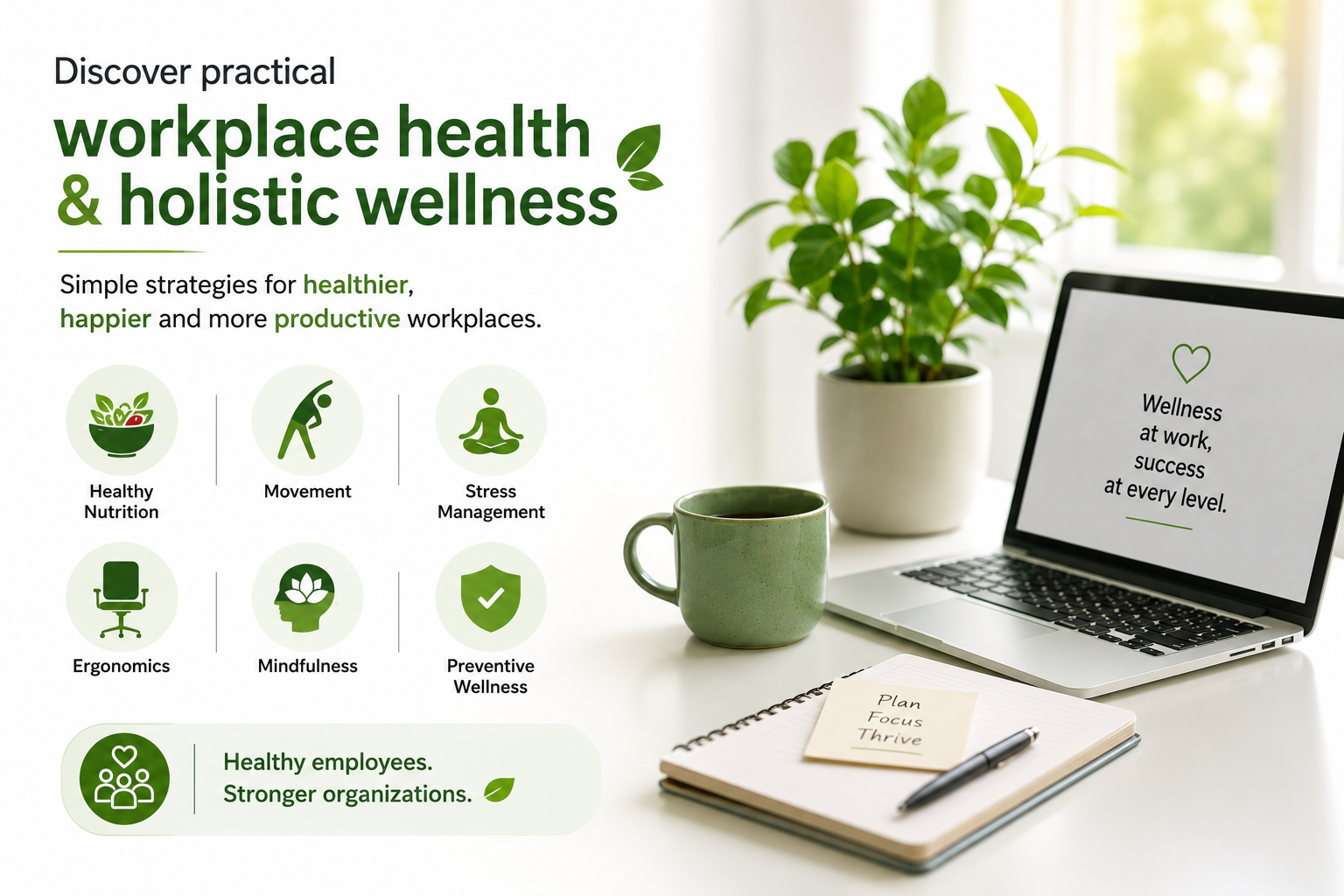
Workplace Health and Holistic Wellness: Creating a Healthier and More Productive Work Environment
-
Holistic Health
-
29 Sep, 2026
odern workplaces are evolving rapidly, but one challenge remains constant: maintaining the health and wellbeing of employees. Long working hours, prolonged sitting, mental stress, poor dietary habits and lack of physical activity contribute to numerous health concerns that affect both employees and organizations.
A healthy workplace is more than just a safe environment. It is a place where physical, mental, emotional and social wellbeing are actively promoted. This is where holistic health plays a vital role. Instead of focusing only on treating illnesses, holistic health encourages prevention, balance and healthy lifestyle choices that support overall wellness.
What is Workplace Health?
Workplace health refers to the overall physical, mental, emotional and social wellbeing of employees during their working life. A healthy workplace minimizes occupational hazards while promoting positive lifestyle habits, healthy relationships and work-life balance.
Healthy employees create healthy organizations. Organizations that invest in employee wellness often experience:
- Higher productivity
- Reduced absenteeism
- Better employee morale
- Lower healthcare costs
- Improved employee retention
- Greater workplace satisfaction
Why Holistic Health matters at work?
Holistic health recognizes that every aspect of wellbeing is interconnected. Stress can weaken immunity, poor nutrition affects concentration, inadequate sleep reduces productivity and physical inactivity contributes to chronic diseases.
Rather than treating these issues separately, holistic wellness addresses the root causes by promoting healthier daily habits.
The four pillars of holistic workplace health include:
- Physical wellness
- Mental and emotional wellbeing
- Nutritional health
- Healthy workplace environment
Together, these create a sustainable culture of wellness.
Practical ways to improve workplace health
1. Encourage movement throughout the day
Many office workers spend more than eight hours sitting. Prolonged sitting increases the risk of obesity, diabetes, cardiovascular disease, and musculoskeletal disorders. Simple ways to stay active include:
- Standing every 30 to 60 minutes
- Walking during phone calls
- Stretching between tasks
- Using stairs instead of elevators
- Organizing walking meetings
- Performing desk exercises
Even short movement breaks improve blood circulation, energy, and concentration.
2. Promote healthy eating habits
Nutrition directly affects productivity and mental performance. Encourage employees to choose:
- Fresh fruits
- Seasonal vegetables
- Whole grains
- Lean proteins
- Nuts and seeds
- Herbal beverages instead of sugary drinks
Avoid excessive consumption of:
- Processed foods
- Refined sugar
- Soft drinks
- Excess caffeine
- High-fat snacks
Employers can support healthier choices by providing nutritious cafeteria options and healthy snacks.
3. Improve workplace ergonomics
Poor workstation design often leads to neck pain, back pain, eye strain, and repetitive stress injuries. Simple ergonomic improvements include:
- Adjustable chairs
- Proper monitor height
- Comfortable keyboard positioning
- Adequate lighting
- Footrests where necessary
- Regular posture checks
Good ergonomics help employees remain comfortable throughout the day.
4. Support mental health
Mental wellbeing is just as important as physical health. Stress, anxiety, burnout and emotional exhaustion reduce workplace performance and increase absenteeism. Organizations can promote mental wellness by:
- Encouraging open communication
- Offering counseling support
- Recognizing employee achievements
- Promoting work-life balance
- Reducing unnecessary workload pressure
- Providing stress management workshops
Employees who feel emotionally supported perform better and stay motivated.
5. Practice mindfulness and relaxation
A few minutes of relaxation can significantly improve focus and emotional resilience. Workplaces can introduce:
- Deep breathing sessions
- Guided meditation
- Mindfulness exercises
- Quiet relaxation spaces
- Short yoga breaks
These practices naturally lower stress hormones while improving concentration and emotional wellbeing.
6. Encourage natural immunity
Healthy employees are less likely to fall sick frequently. Natural ways to strengthen immunity include:
- Balanced nutrition
- Adequate hydration
- Quality sleep
- Regular exercise
- Herbal supplements under professional guidance
- Seasonal fruits rich in antioxidants
Traditional herbal wellness practices have long supported immune health as part of preventive care.
7. Maintain excellent indoor air quality
Employees spend most of their day indoors. Good indoor air quality reduces fatigue, headaches, allergies, and respiratory problems. Indoor environment can be improved by:
- Increasing ventilation
- Maintaining air conditioning systems
- Controlling dust
- Reducing indoor pollutants
- Using indoor plants where appropriate
- Monitoring humidity levels
Clean air contributes to better health and improved cognitive performance.
8. Promote adequate hydration
Even mild dehydration affects concentration, memory and productivity. Encourage employees to:
- Keep water bottles nearby
- Drink water regularly
- Limit sugary beverages
- Choose herbal teas occasionally
Hydration supports energy, digestion, and overall health.
9. Foster positive workplace relationships
Healthy workplaces thrive on respect and teamwork. Positive relationships reduce workplace stress and improve collaboration. Organizations should encourage:
- Team-building activities
- Respectful communication
- Inclusive workplace culture
- Employee appreciation programs
- Conflict resolution mechanisms
Emotional wellbeing often begins with healthy interpersonal relationships.
10. Invest in preventive health programs
Preventive healthcare is always more effective than treating illness after it develops. Examples include:
- Regular health checkups
- Wellness education
- Vaccination campaigns
- Occupational health assessments
- Fitness challenges
- Nutrition awareness sessions
Preventive initiatives build a healthier workforce over time.
The Role of Traditional and Natural Wellness
Many traditional wellness practices complement modern occupational health programs. Natural approaches usually include:
- Herbal nutrition
- Aromatherapy
- Acupressure
- Massage therapy
- Yoga
- Meditation
- Breathing exercises
These practices support stress reduction, relaxation, improved circulation and overall wellbeing when integrated responsibly into workplace wellness initiatives.
Building a culture of health
Creating a healthy workplace is not a one-time activity. It requires commitment from both employers and employees. Successful organizations make health part of their culture by:
- Leading by example
- Encouraging healthy habits
- Providing wellness education
- Creating supportive policies
- Celebrating healthy achievements
Small daily improvements often lead to significant long-term benefits.
Improving workplace health goes beyond reducing injuries or preventing illness. It means creating an environment where employees can thrive physically, mentally and emotionally.
Simple daily habits such as healthy eating, regular movement, proper ergonomics, stress management, quality sleep, hydration and natural wellness practices contribute significantly to long-term wellbeing.
By embracing a holistic approach, organizations can build workplaces that not only improve productivity but also enhance quality of life for every employee.
A healthier workplace starts with healthier choices, and every positive step taken today contributes to a stronger, happier and more sustainable workforce tomorrow.
More Blogs are
Oral Health and Holistic Wellness: Building a Healthier Smile for Better Living
Digital Detox for Better Health: Restoring Balance in a Screen-Dominated World
The Power of Fermented Foods: Traditional Nutrition for Modern Wellness