
Balanced Diet: The Holistic Guide to Eating Well, Feeling En...
Moringa and its Health Benefits
27 Oct, 2026


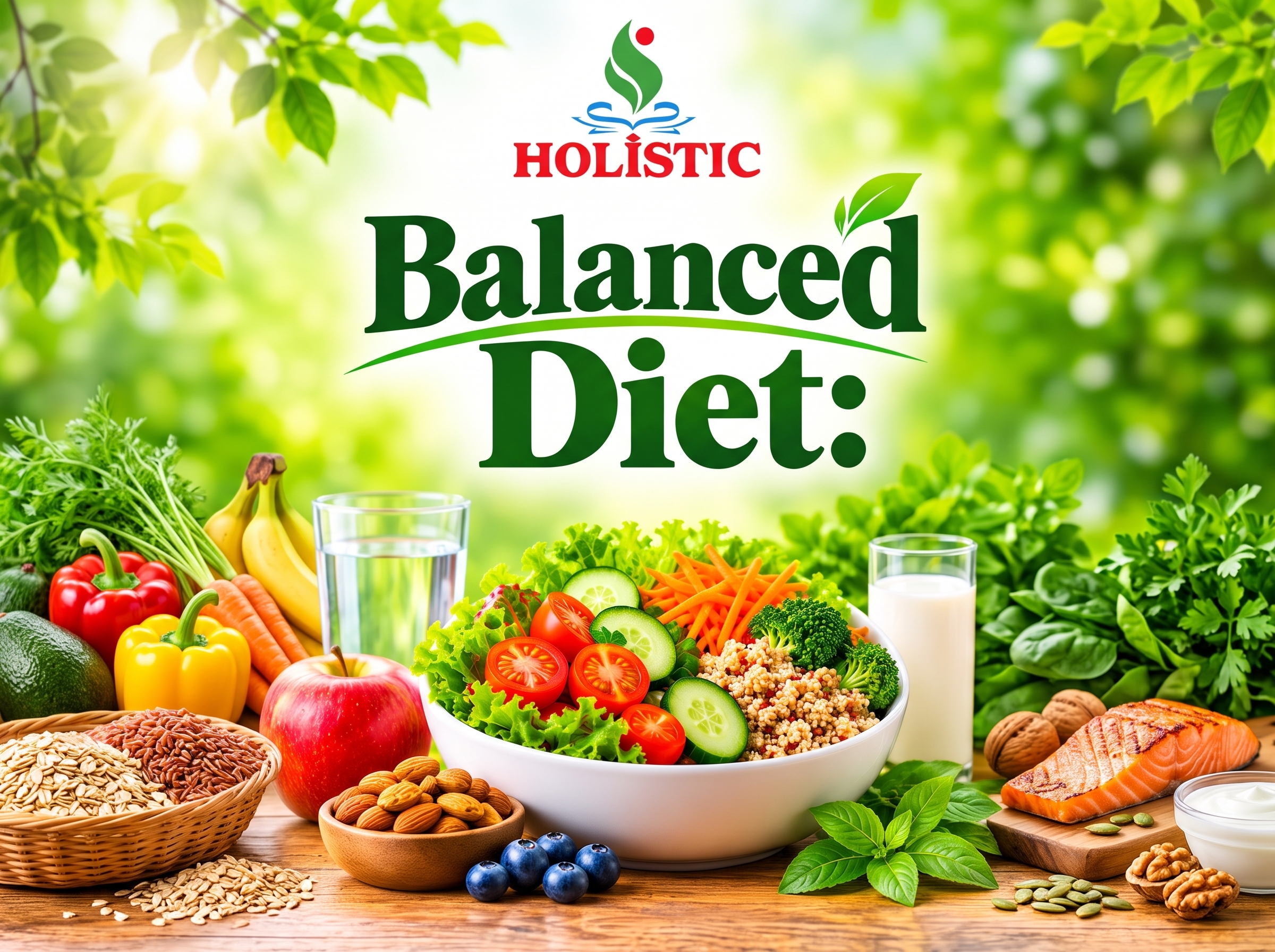
Balanced Diet: The Holistic Guide to Eating Well, Feeling Energised and Filling the Nutritional Gaps
-
Holistic Health
-
13 Oct, 2026
Picture this: you’ve eaten “healthy” all week. Salads at lunch, fruit in your bag, no fizzy drinks. Yet by 4 pm you’re foggy, your energy has nosedived, and your sleep isn’t what it used to be. Sound familiar?
If so, you’re not alone, and you’re not failing. The truth is that a balanced diet isn’t just about eating less junk or counting calories. At Holistic Health, we see nutrition as one piece of a bigger picture that includes your body, mind, gut, sleep, and stress. In this blog, we’ll break down what a truly balanced diet looks like, why even careful eaters can fall short, and how the right supplements can support your everyday meals.
What is a Balanced Diet, really?
A balanced diet gives your body the right amounts of all the nutrients it needs to grow, repair, and function: carbohydrates, proteins, fats, vitamins, minerals, fibre and water. Variety is the golden rule. No single food has everything, so the more colours and food groups on your plate, the better your nutritional coverage.
The holistic approach goes a step further. Instead of asking “How many calories is this?”, it asks:
- Is this food nourishing my body?
- How does it affect my digestion and mood?
- Am I eating mindfully, or on the run?
- Is my lifestyle helping me absorb and use what I eat?
Think of food as fuel and information. Every meal sends signals to your gut, brain, hormones, and immune system.
The Building Blocks of a Balanced Diet
1. Complex Carbohydrates: Steady Energy
Whole grains, millets, oats, brown rice, legumes, and root vegetables release energy slowly, helping you avoid the sugar spike-and-crash cycle. Aim for carbs that still look like the plant they came from.
2. Quality Protein: Repair and Rebuild
Protein supports muscles, skin, hair, enzymes, and immune function. Include a source at every meal: lentils, beans, eggs, fish, paneer, tofu, nuts, seeds, or lean meats.
3. Healthy Fats: Brain and Hormone Support
Nuts, seeds, avocados, olive oil, and oily fish provide essential fatty acids your body can’t make on its own. Healthy fats also help you absorb vitamins A, D, E, and K.
4. Vitamins and Minerals: The Tiny Powerhouses
From iron and calcium to magnesium, zinc, and the B-vitamins, micronutrients run thousands of processes behind the scenes. You need them in small amounts, but you can’t do without them.
5. Fibre: The Gut’s Best Friend
Vegetables, fruits, whole grains, and pulses feed the beneficial bacteria in your gut, keep digestion regular, and help you feel full for longer.
6. Water: The Forgotten Nutrient
Even mild dehydration can affect concentration and mood. Sip water through the day, and count herbal teas and water-rich foods like cucumber and watermelon too.
Build your Holistic Plate in 4 Simple Steps
Forget complicated meal plans. Use this easy visual at lunch and dinner:
- Fill half your plate with vegetables and fruit, in as many colours as possible.
- Fill a quarter with whole grains or complex carbs.
- Fill a quarter with protein.
- Add a thumb-sized portion of healthy fat, such as a drizzle of oil, a handful of nuts, or a few seeds.
Then add the holistic extras: eat slowly, sit down without screens, and chew well. Digestion begins in the mouth, and calm eating helps your body absorb more of what you’re giving it.
Why even a “good” diet can have gaps?
Here’s what most diet articles skip: eating well doesn’t always guarantee you’re getting enough of everything. Several everyday factors can leave nutritional gaps:
- Busy lifestyles. Skipped meals and quick fixes mean less variety.
- Modern farming and food processing. The nutrient content of produce can vary depending on soil, storage, and how long it travels before reaching your plate.
- Dietary choices. Vegetarian, vegan, or dairy-free diets can make it harder to get enough vitamin B12, iron, or omega-3s from food alone.
- Stress and poor sleep. Both can increase the body’s demand for certain nutrients, such as magnesium and B-vitamins.
- Limited sun exposure. Many people who spend their days indoors have low vitamin D levels.
- Age and life stage. Nutritional needs change during pregnancy, menopause, and later life.
This is where well-chosen supplements come in. Not as a replacement for real food, but as a supportive partner.
How Holistic Health Supplements complement your diet?
The word to remember is supplement: something that adds to a good foundation, never something that replaces it. Our range is designed to support the most common nutritional gaps and to work alongside your meals.
Daily Multivitamin and Mineral Support: [Reishi] A smart safety net for days when your meals aren’t perfect. A good multivitamin helps cover the basics across vitamins and minerals.
Omega-3 Fatty Acids: [Omega-3-6-9] If fish, flaxseed, or walnuts aren’t regular features on your plate, omega-3 support can help maintain heart, brain, and joint wellbeing as part of a healthy lifestyle.
Glucosamine: A useful pairing for bone and muscle health, especially for people who have chronic bone and joint problems.
Probiotics and Digestive Support: [Barley, Aloevera] A healthy gut is central to the holistic view of wellbeing. Probiotics, together with fibre-rich foods, help nurture a balanced gut environment.
Protein and Plant-Based Nutrition: [Spirulina] Handy for active people, busy professionals, and vegetarians who want to meet daily protein needs conveniently.
Herbal and Stress-Support Blends: [Curcumin, Ashwagandha] Traditional botanicals and magnesium-based formulas can complement a calm, balanced routine of good sleep and mindful eating.
The Mind-Body-Gut Connection
Holistic health recognises that what you eat influences how you feel, and how you feel influences what you eat. A large share of your immune system lives in your gut, and your gut communicates constantly with your brain. That’s why a balanced diet works best alongside:
- Consistent sleep. Aim for 7 to 9 hours.
- Regular movement. Even a daily 30-minute walk counts.
- Stress management. Try breathing exercises, yoga, or journaling.
- Sunlight and fresh air. Natural light helps regulate your body clock.
Nutrition is the foundation, but these habits are the walls and roof.
7 Everyday Habits for a Balanced Diet
- Eat the rainbow. Different colours mean different nutrients.
- Start with breakfast. Include protein and fibre to stabilise energy.
- Plan your snacks. Keep nuts, fruit, or roasted chickpeas handy.
- Cook at home more often. You control the oil, salt, and sugar.
- Read labels. Watch for added sugars and long ingredient lists.
- Take supplements consistently. Pair them with meals, as directed on the label, for better absorption and routine.
- Listen to your body. Hunger, energy, mood, and digestion are all feedback.
Common Balanced Diet Mistakes to Avoid
- Cutting out entire food groups without professional guidance.
- Relying on supplements instead of meals. Pills can’t replicate the fibre and variety of whole foods.
- Following extreme fad diets. Sustainable habits beat quick fixes.
- Ignoring hydration. Thirst is often mistaken for hunger.
- Self-prescribing high doses. More isn’t always better; follow label directions.
Frequently Asked Questions
Can I get all my nutrients from food alone? Many people can, with careful planning and variety. But lifestyle, dietary preferences, and individual needs can make that difficult, which is why supplements may help fill gaps.
When is the best time to take supplements? It depends on the product. Many are best taken with meals, but always follow the instructions on the label.
Are supplements safe for everyone? Not necessarily. If you are pregnant, nursing, taking medication, or have a medical condition, speak with your doctor or a qualified healthcare professional before starting any supplement.
How long before I notice a difference? It varies from person to person and by nutrient. Consistency, along with healthy eating, sleep, and movement, matters most.
Nourish the Whole You
A balanced diet isn’t about perfection. It’s about variety, mindfulness, and giving your body what it needs most days, not every day. Build your meals around whole foods, look after your gut, sleep, and stress, and use quality supplements to cover the gaps that real life leaves behind.
Ready to take the next step? Explore the Holistic Health range of nutritional supplements and discover products designed to support your journey to whole-body wellbeing.
More Blogs are
Moringa and its Health BenefitsCelebrate Dashain the Healthy Way: 10 Simple Tips for a Happier, Healthier FestivalHolistic Health Supplements: Tongkat Ali, Curcumin and Omega 3-6-9