
Indoor Plants-A Natural way to restore Balance and Holistic ...
Moringa and its Health Benefits
27 Oct, 2026



Indoor Plants-A Natural way to restore Balance and Holistic Health
-
Holistic Health
-
06 Oct, 2026
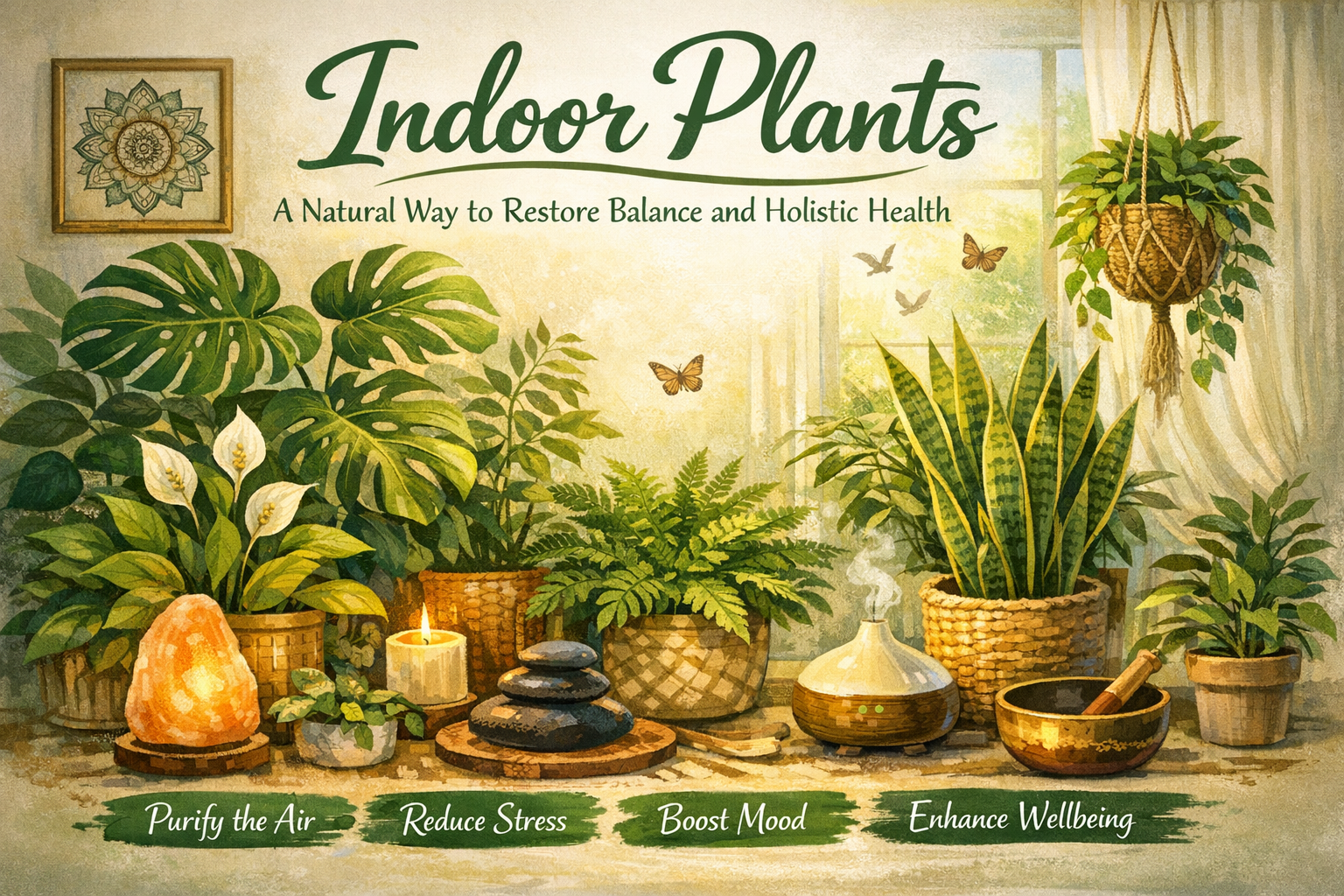
In an age dominated by screens, pollution and fast-paced routines, people are increasingly turning toward nature to find balance. Indoor plants have become more than just decorative elements. They are now recognized as powerful tools for improving health, enhancing mood and creating a calming living environment. Simple, accessible and effective, indoor plants offer a natural solution to many modern lifestyle challenges.
What are Indoor Plants?
Indoor plants are plants grown inside homes, offices or enclosed spaces for aesthetic, environmental and health benefits. From small desk succulents to large leafy greens, these plants bring a touch of nature indoors, creating a refreshing and lively atmosphere.
What makes indoor plants special is their ability to interact with the environment. They absorb carbon dioxide, release oxygen and in some cases, filter harmful toxins from the air. Beyond physical benefits, they also influence mental well-being by creating a sense of calm and connection to nature.
Traditional uses of Indoor Plants
The use of plants indoors is not a new trend. Many ancient cultures integrated plants into daily life for both functional and spiritual purposes:
✔️ Ancient Indian households often kept sacred plants like tulsi indoors or in courtyards for purification and health benefits.
✔️ Chinese traditions used indoor plants as part of Feng Shui to balance energy and promote harmony.
✔️ Egyptian and Roman cultures decorated indoor spaces with plants to enhance beauty and air quality.
✔️ Herbal traditions worldwide used indoor plants for medicinal purposes, including respiratory and skin treatments.
These practices highlight the long-standing belief that plants influence not just the environment, but also human well-being.
Simple Tips on growing and maintaining Indoor Plants
Maintaining indoor plants does not require advanced skills, but it does need basic understanding and consistency.
1. Selection of Plants
Choose plants based on:
✦ Light availability (low, medium, or bright light)
✦ Space and size requirements
✦ Maintenance level
2. Potting and soil preparation
✦ Use well-draining soil suitable for indoor plants
✦ Ensure pots have drainage holes to prevent waterlogging
3. Watering Routine
✦ Avoid overwatering; most indoor plants prefer slightly dry soil between watering
✦ Adjust frequency based on climate and plant type
4. Light and placement
✦ Place plants near windows or areas with indirect sunlight
✦ Rotate plants occasionally for even growth
5. Maintenance
✦ Remove dead leaves
✦ Clean dust from leaves to improve photosynthesis
✦ Repot when plants outgrow their containers
This simple process makes indoor gardening accessible even for beginners.
Types of Indoor Plants
Indoor plants can be categorized based on their function and characteristics:
✔️ Air-Purifying Plants
These plants help remove toxins and improve indoor air quality. Examples: Snake plant, spider plant, peace lily
✔️ Decorative Plants
Primarily used for aesthetics and interior design. Examples: Monstera, fiddle leaf fig, areca palm
✔️ Medicinal Plants
Used for their healing properties. Examples: Aloe vera, tulsi, mint
✔️ Low-Maintenance Plants
Ideal for busy individuals or beginners. Examples: Succulents, cactus, Zade plant
✔️ Aromatic Plants
Release pleasant fragrances that enhance mood. Examples: Lavender, rosemary, basil
Each type serves a unique purpose, making it easy to choose based on individual needs.
Health Benefits of indoor plants
Indoor plants contribute to both physical and mental health in several ways:
1. Improved air quality
Plants absorb pollutants and release oxygen, helping to create a cleaner breathing environment.
2. Stress reduction
Being around greenery has a calming effect on the mind, reducing stress and anxiety levels.
3. Enhanced focus and productivity
Studies show that indoor plants can improve concentration and cognitive performance, especially in workspaces.
4. Better humidity control
Plants release moisture into the air, which helps prevent dryness in skin and respiratory passages.
5. Emotional well-being
Caring for plants creates a sense of responsibility and satisfaction, improving overall mood.
6. Support for physical health
Certain plants have medicinal uses that support minor health concerns like burns, colds and digestion.
Indoor plants and Holistic health
Holistic health focuses on the balance between mind, body and environment. Indoor plants naturally align with this concept.
1. Connection with Nature
Indoor plants bridge the gap between modern living and natural surroundings, helping individuals feel more grounded.
2. Mind-Body Balance
The visual greenery and improved air quality contribute to both mental relaxation and physical well-being.
3. Natural Healing Environment
Plants create a soothing space that supports recovery, relaxation and emotional stability.
4. Sustainable Living
Growing plants indoors promotes eco-friendly habits and awareness of natural resources.
Indoor Plants as a solution to Modern problems
Today’s lifestyle comes with challenges like pollution, stress and lack of natural exposure. Indoor plants offer practical solutions:
✦ Urban Pollution: Plants help reduce indoor air toxins and improve breathing quality.
✦ Work Stress: A small plant on a desk can significantly reduce mental fatigue.
✦ Digital Overload: Greenery provides visual relief from screens and reduces eye strain.
✦ Mental Health Issues: Interaction with plants can lower anxiety and promote calmness.
✦ Sedentary Lifestyle: Caring for plants encourages movement and routine.
Indoor plants are far more than just decorative additions. They are silent contributors to a healthier, more balanced life. By improving air quality, reducing stress and enhancing emotional well-being, they play a vital role in holistic health.
Incorporating indoor plants into daily living is a simple yet powerful step toward addressing modern health challenges. Whether placed in a home, office, or workspace, these natural companions bring life, energy and healing into everyday environments. So, are you ready to add some greener, soothing plants to your house or workplace?
More Blogs are
Natural Lifestyle for Stress Management
Barley Grass Extract: The Green Superfood you don’t want to ignore
Holistic Diet: A Practical Guide to Health, Balance and Sustainable Living