
Holistic Diet: A Practical Guide to Health, Balance and Sus...
Moringa and its Health Benefits
27 Oct, 2026



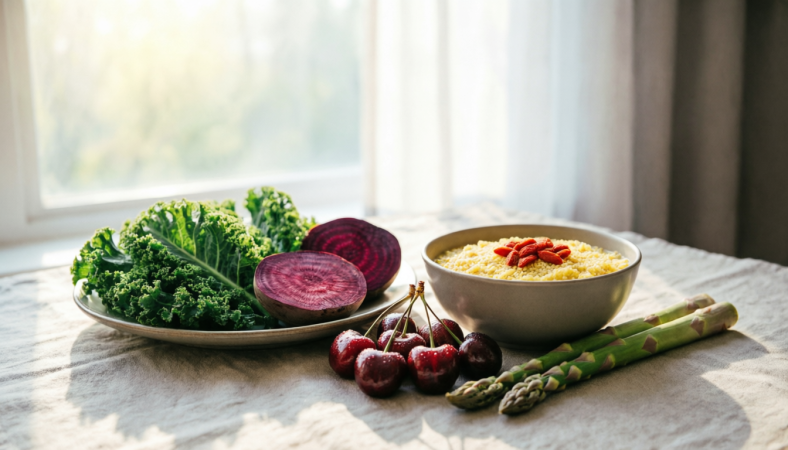
Holistic Diet: A Practical Guide to Health, Balance and Sustainable Living
-
Holistic Health
-
06 Oct, 2026
In today’s speedy and highly digital environment, our eating habits are often disconnected from our bodies, nature and overall wellbeing. A holistic diet is not just about what you eat, it’s about how, why and where you eat. It connects nutrition with lifestyle, environment, mental health and long-term wellness.
As people increasingly face stress, pollution, sedentary routines and processed food dependency, adopting a holistic approach to diet has become more relevant than ever.
What is a Holistic Diet?
A holistic diet focuses on whole, natural and minimally processed foods, while considering the individual’s physical, emotional, social and environmental context. It promotes balance rather than restriction.
It integrates:
✔️ Nutrition
✔️ Lifestyle habits
✔️ Environmental awareness
✔️ Mindful eating practices
Importance of a Holistic Diet in the modern environment
1. Supports overall health
A holistic diet nourishes the body with essential nutrients, improving immunity, digestion and energy levels.
2. Reduces lifestyle diseases
With rising cases of diabetes, hypertension and obesity, whole-food-based diets help reduce risk factors.
3. Enhances mental wellbeing
Food directly affects mood and cognition. Balanced nutrition supports emotional stability and reduces stress.
4. Aligns with environmental sustainability
Choosing local, seasonal and plant-based foods reduces carbon footprint and supports eco-friendly living.
5. Promotes long-term wellness
Unlike fad diets, holistic nutrition is sustainable and adaptable across different life stages.
Requirements of a Holistic Diet
To truly follow a holistic diet, you need more than just a meal plan. It requires a shift in mindset and daily habits.
1. Whole and Natural Foods
Fresh fruits and vegetables
Whole grains (millet, brown rice, oats)
Nuts and seeds
Natural herbs and spices
2. Balanced Nutrients
Carbohydrates for energy
Proteins for repair
Healthy fats for brain and heart health
Vitamins and minerals for overall function
3. Hydration
Adequate water intake is essential for digestion, detoxification and energy.
4. Mindful Eating Environment
Eat without distractions (no phone or TV)
Focus on taste, texture and portion
5. Seasonal and Local Foods
Eating according to the season supports natural body rhythms and boosts immunity.
Procedures to follow a Holistic Diet
Adopting a holistic diet is a step-by-step process, not an overnight change.
Step 1: Assess your current eating habits
Identify processed food intake, irregular meal timings and emotional eating patterns.
Step 2: Gradual shift to whole foods
Replace refined foods with natural alternatives:
White rice → Brown rice or millet
Sugary snacks → Fruits or nuts
Step 3: Include Variety
Ensure your plate has multiple colors and food groups for complete nutrition.
Step 4: Practice Mindful Eating
Eat slowly
Chew properly
Listen to hunger and fullness cues
Step 5: Align Diet with Lifestyle
Combine diet with:
Physical activity (yoga, walking, Tai Chi)
Adequate sleep
Stress management
Step 6: Reduce Toxins
Limit processed foods, artificial additives, excess caffeine and sugar
Step 7: Integrate Herbal Support
Use natural herbs like turmeric, ginger, tulsi and green tea for added health benefits.
Daily Tips for Strengthening Health and Wellness
Morning Routine
Start with warm water or herbal infusion
Include fruits or soaked nuts
Avoid heavy processed breakfast
Midday Habits
Eat a balanced lunch with grains, vegetables and protein
Stay hydrated
Take short breaks to reduce stress
Evening Routine
Light dinner with easy-to-digest foods
Avoid late-night eating
Herbal tea for relaxation
General Daily Tips
Eat fresh, avoid leftovers when possible
Maintain regular meal timings
Spend time outdoors in natural light
Practice gratitude and mindful living
Limit screen time during meals
Holistic Diet in a Novel Environment
Modern environments are constantly changing due to urbanization, climate change and digital lifestyles. A holistic diet adapts to these challenges:
Urban Living
Choose organic or minimally processed market options
Grow small kitchen herbs at home
Digital Lifestyle
Avoid mindless snacking during screen time
Schedule meal breaks
Environmental Awareness
Reduce food waste
Prefer plant-based meals
Support local farmers and markets
Common Mistakes to Avoid
✔️ Following extreme diets or trends
✔️ Skipping meals
✔️ Ignoring hydration
✔️ Over-reliance on supplements
✔️ Eating in a distracted state
A holistic diet is not about perfection: it’s about balance, awareness and consistency. In today’s evolving environment, it offers a practical and sustainable way to maintain health, prevent disease and improve quality of life.
Start small. Eat consciously. Stay connected to your body and nature.
More Blogs are
Importance of Herbs in Our Daily Lives
Mental Health and Well-being: A Holistic Path to Inner Balance
Nepal: A Garden of Natural Bliss