
Importance of Herbs in Our Daily Lives
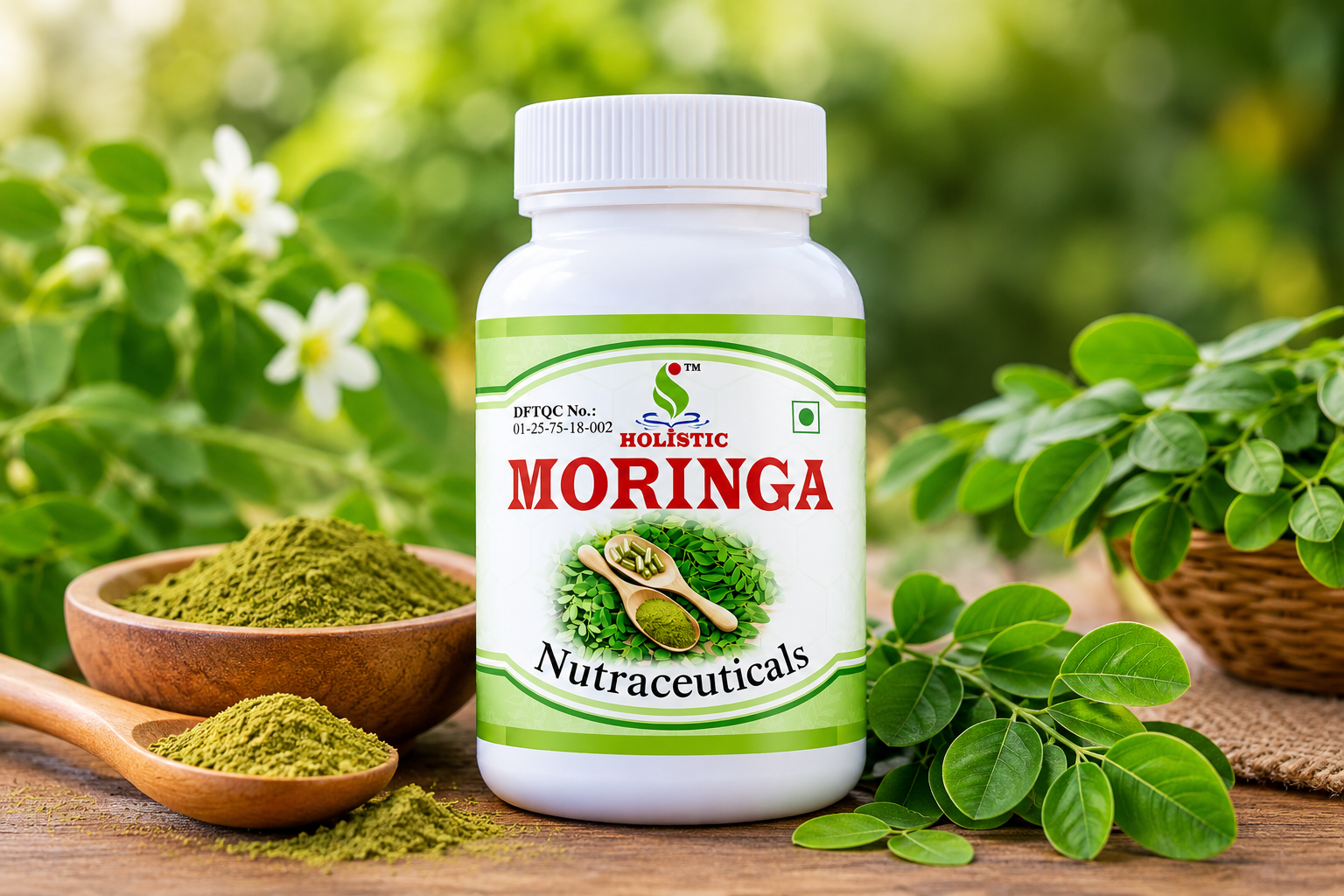
Moringa and its Health Benefits
27 Oct, 2026



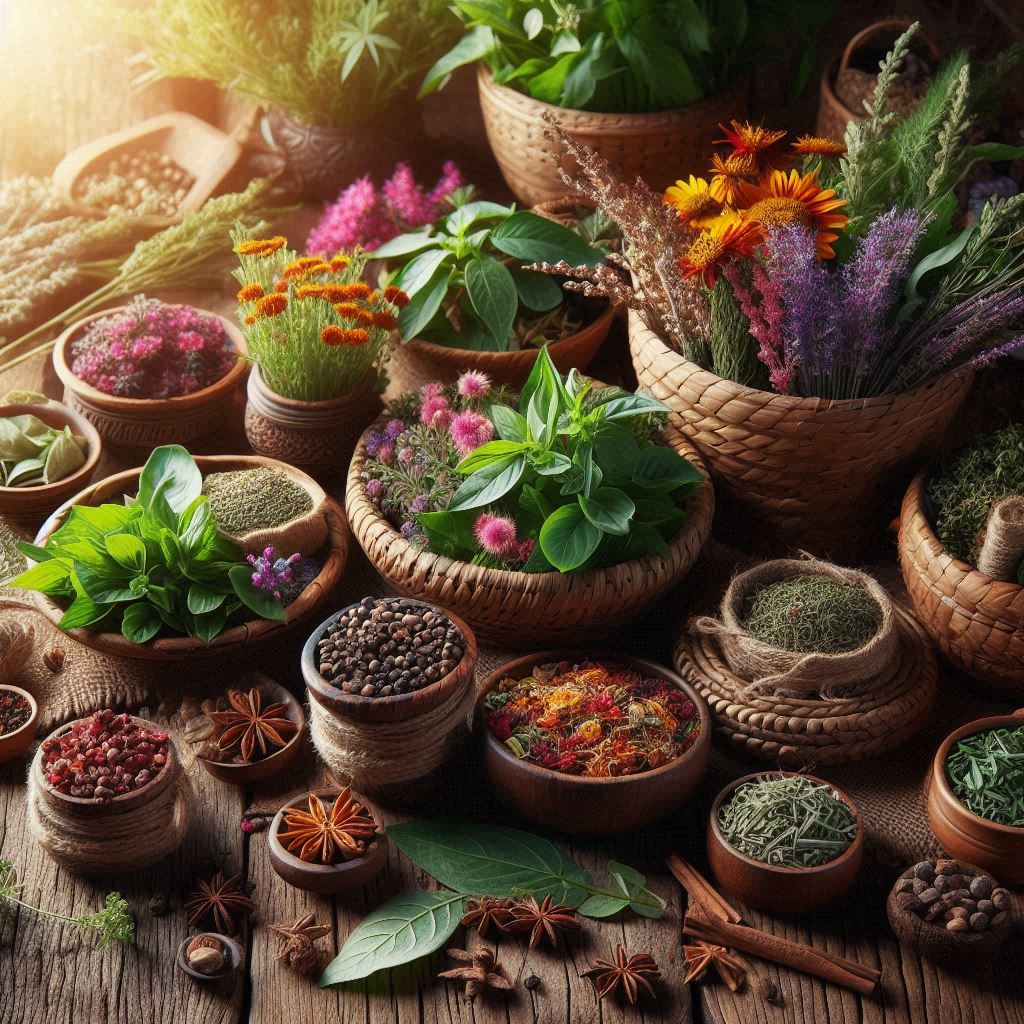
Importance of Herbs in Our Daily Lives
-
Holistic Health
-
06 Oct, 2026
Nepal is a country where herbs are not a trend. They are a way of life. From kitchen spices to mountain medicinal plants, herbs are deeply rooted in our daily routines, cultural practices and traditional healing systems. In recent years, as people are looking for safer and more natural health solutions, the value of herbs in daily life has become even more relevant.
In the Nepalese context, herbs are not just ingredients. They are medicine, nutrition, prevention and wellness combined. When used wisely, they support holistic health, meaning care for the body, mind and overall balance of life.
Nepal: A Rich Land of Medicinal Herbs
Nepal’s diverse geography, from the Terai plains to the high Himalayas, makes it one of the richest countries in terms of medicinal plant diversity. The Himalayan region alone is known worldwide for rare and powerful herbs.
For example, Yarsagumba is highly valued for boosting stamina and immunity. Chiraito is commonly used for fever and digestive issues. Tulsi, found in many Nepali homes, is used daily for cough, cold and immunity.
Our traditional systems like Ayurveda have long recognized the healing power of these plants. In rural areas especially, herbal remedies are often the first line of treatment.
Herbs in the Nepalese Kitchen: Daily Health Protection
In Nepal, the kitchen is the first pharmacy. Many herbs we use every day are powerful health protectors. Turmeric (Besar) acts as a natural anti-inflammatory and supports immunity. Ginger (Aduwa) helps with digestion, nausea and colds. Fenugreek (Methi) supports blood sugar control and digestion. Garlic (Lasun) is known for heart health and infection prevention.
These herbs are not used occasionally. They are part of dal, tarkari, achar, tea and even traditional drinks. This daily consumption creates a strong foundation for preventive health.
Instead of waiting for disease, herbs help build resilience.
Herbs and Immunity in the Nepalese Lifestyle
The COVID-19 pandemic reminded many people about the importance of immunity. In Nepal, herbal decoctions like Tulsi tea, ginger tea and turmeric milk became common household practices again.
Herbs support immunity in different ways:
✔️ They contain antioxidants that protect cells.
✔️ They reduce inflammation.
✔️ They improve digestion, which is closely linked to immunity.
✔️ They help the body adapt to stress.
Adaptogenic herbs like Ashwagandha are now gaining popularity in urban Nepal as well. Traditionally used in Ayurveda, Ashwagandha supports stress management, sleep quality and overall vitality.
In a fast-changing lifestyle where stress, pollution and processed food are increasing, herbal support is more important than ever.
Mental Well-being and Herbal Support
Holistic health is not just physical health. It includes emotional and mental balance.
Herbs have long been used in Nepal and neighboring regions. Such as:
✔️ Tulsi for calming the mind
✔️ Ashwagandha for stress reduction
✔️ Brahmi for memory and cognitive function
Modern research is now validating what traditional healers already knew: certain herbs can reduce anxiety, improve concentration and support better sleep.
For a country like Nepal, where mental health awareness is growing but services are still limited in rural areas, herbal approaches can serve as supportive, accessible tools when used responsibly.
Economic and Environmental Importance of Herbs in Nepal
Herbs are not only important for health but also for livelihood. Thousands of families in hilly and mountainous regions depend on the collection and trade of medicinal plants.
Sustainable harvesting of herbs like Chiraito and Yarsagumba contributes to rural income. However, overharvesting and climate change are serious concerns.
Promoting responsible herbal use, local cultivation and community awareness can protect both health and biodiversity.
Holistic health is not just about individual wellness. It includes environmental balance. Protecting Nepal’s herbal resources is part of protecting our future.
Linking Herbs to Holistic Health
Holistic health focuses on treating the root cause, not just symptoms. It considers diet, lifestyle, mental state, environment and natural therapies together.
Herbs play a central role in this approach:
Prevention First: Regular use of immune-supporting and digestive herbs reduces disease risk.
Natural Healing Support: Herbal remedies can support recovery alongside medical treatment.
Lifestyle Integration: Herbs are easy to integrate into food, tea, powders, oils and home remedies.
Reduced Chemical Load: Thoughtful herbal use may reduce unnecessary dependence on synthetic drugs for minor conditions.
However, it is important to use herbs correctly. Not all herbs are safe for everyone. Dosage, quality and individual health conditions matter. Consultation with trained professionals is always advisable.
Herbs in Urban Nepal: A Growing Trend
In cities like Kathmandu, Pokhara and Lalitpur, herbal products are becoming more popular. Herbal teas, powders, essential oils and supplements are now easily available.
People are slowly moving toward:
✔️ Herbal skincare instead of chemical-based cosmetics
✔️ Herbal drinks instead of sugary beverages
✔️ Natural immunity boosters instead of random supplements
This shift reflects a larger awareness about long-term health.
Still, there is a need for quality control, proper labeling and evidence-based promotion to avoid misinformation.
The way forward: Integrating tradition with Science
Nepal has a strong traditional knowledge base. What is needed now is proper research, standardization and responsible commercialization.
Educational institutions, health professionals and wellness centers can work together to:
✔️ Promote evidence-based herbal practices
✔️ Encourage sustainable cultivation
✔️ Educate the public on safe usage
✔️ Integrate herbal knowledge with modern health systems
When traditional wisdom meets scientific validation, the impact is powerful.
In summary, herbs are not a shortcut. They are part of a long-term lifestyle approach. In Nepal, they are already embedded in our culture, food and healing traditions.
From Tulsi in the courtyard to turmeric in the kitchen, herbs quietly support our daily health. When used wisely, they strengthen immunity, improve digestion, support mental well-being and contribute to holistic balance.
The future of health in Nepal does not lie only in hospitals and medicines. It also lies in preserving our herbal heritage, using it responsibly and aligning it with holistic health principles.
If we take herbs seriously, not casually, they can continue to serve us not just as remedies, but as daily partners in building a healthier Nepal.
More Blogs are
Mental Health and Well-being: A Holistic Path to Inner Balance
Nepal: A Garden of Natural Bliss
Holistic Healing: Mind, Body and Spirit Wellness