
Dietary Modification for the Modern Era: From a Health Pros...




THE SCIENCE OF PLANT ESSENCE
29 Sep, 2026
Dietary Modification for the Modern Era: From a Health Prospective
-
Holistic Health
-
29 Sep, 2026
Today, food has become more than nourishment. It is convenience, comfort, habit, stress relief, social identity and sometimes even addiction. Modern lifestyles have changed the way people eat, sleep, work and think. Unfortunately, these changes have also brought a rise in obesity, diabetes, heart disease, digestive disorders, hypertension, fatigue and mental health problems.
This is where dietary modification becomes important. Dietary modification is not about starving, following extreme diet trends, or eliminating every favorite food. It is the conscious adjustment of eating habits to improve health, prevent disease and support physical and mental wellbeing. In a holistic health approach, dietary modification is considered one of the most powerful natural tools for healing the body from within.
The historical roots of Dietary Modification
The concept of modifying diet for health is not new. Ancient civilizations understood the deep relationship between food and wellness long before modern nutritional science emerged.
In traditional Ayurveda, food was considered medicine. Different foods were prescribed based on body constitution, season, age and illness. Similarly, Traditional Chinese Medicine emphasized balancing the body through diet, herbs and energy flow. Ancient Greek physician Hippocrates famously stated, “Let food be thy medicine and medicine be thy food.”
Historically, diets were mostly natural and locally sourced. People consumed fresh vegetables, grains, seasonal fruits, herbs, nuts and minimally processed foods. Physical labor was also part of daily life. Chronic lifestyle diseases were far less common than they are today.
The industrial revolution and modernization changed human eating patterns dramatically. Packaged foods, refined sugars, artificial flavorings, preservatives and fast-food culture became common. While these developments improved convenience, they also reduced nutritional quality and increased health risks.
Today, dietary modification combines traditional wisdom with modern nutritional science to create balanced and practical eating habits suitable for modern life.
Why modern diets are becoming a health crisis?
Modern dietary habits often prioritize speed and taste over nutrition. Busy schedules encourage reliance on processed meals, sugary drinks, fried snacks and excessive caffeine. Emotional eating and screen-based lifestyles have further worsened unhealthy eating patterns.
Many modern diets contain:
✔️ Excess sugar
✔️ Refined carbohydrates
✔️ High sodium
✔️ Trans fats
✔️ Artificial additives
✔️ Low fiber
✔️ Insufficient vitamins and minerals
Over time, these habits silently damage the body.
Impact of unsuitable diet on the human body
An unhealthy diet affects nearly every organ system. The effects may not appear immediately, but gradual damage accumulates over years.
1. Obesity and Metabolic Disorders
High-calorie processed foods combined with low physical activity contribute to weight gain and metabolic imbalance. Obesity increases the risk of:
✔️ Type 2 Diabetes
✔️ Hypertension
✔️ Cardiovascular Disease
✔️ Fatty liver disease
Excess sugar and unhealthy fats disrupt insulin function and increase inflammation inside the body.
2. Digestive Problems
Low-fiber diets weaken digestive health. Frequent consumption of processed foods may lead to:
✔️ Constipation
✔️ Acid reflux
✔️ Bloating
✔️ Poor gut bacteria balance
✔️ Irritable bowel symptoms
The digestive system plays a major role in immunity and mental wellbeing. Poor gut health can affect energy, mood and immunity.
3. Mental and Emotional Health Effects
Modern research increasingly connects food with brain health. Nutrient deficiencies and excessive processed food intake can contribute to:
✔️ Anxiety
✔️ Mood swings
✔️ Fatigue
✔️ Poor concentration
✔️ Depression-like symptoms
Highly processed foods may temporarily stimulate pleasure centers in the brain but often lead to energy crashes and emotional instability afterward.
4. Weak Immunity and Chronic Inflammation
The body requires nutrients like vitamins, minerals, antioxidants, healthy fats and proteins for proper immune function. Poor nutrition weakens the body's defense system and increases chronic inflammation, which is linked to many modern diseases.
Understanding Dietary Modification
Dietary modification means adjusting food choices, portion sizes, cooking methods and meal timing to improve health outcomes. It is not a temporary “diet plan” but a sustainable lifestyle approach.
A proper dietary modification strategy focuses on:
✔️ Balanced nutrition
✔️ Natural and whole foods
✔️ Personalized eating patterns
✔️ Disease prevention
✔️ Long-term sustainability
✔️ Mindful eating habits
The goal is not perfection. The goal is better health through practical and consistent improvement.
Therapeutic Diets and Their Importance
Therapeutic diets are specially designed eating plans used to manage or support medical conditions. They play a major role in holistic healing because food directly affects body function.
Common Types of Therapeutic Diets
✔️ Diabetic Diet: Designed to regulate blood sugar levels through controlled carbohydrate intake, fiber-rich foods and balanced meals.
✔️ Low-Sodium Diet: Recommended for individuals with high blood pressure or heart disease. It limits excessive salt intake and processed foods.
✔️ High-Protein Diet: Used for recovery, muscle maintenance, wound healing and certain medical conditions requiring increased protein support.
✔️ Anti-Inflammatory Diet: Focuses on fruits, vegetables, healthy fats, herbs, seeds and antioxidant-rich foods to reduce inflammation naturally.
✔️ Elimination Diet: Helps identify food sensitivities and allergies by temporarily removing specific foods and gradually reintroducing them.
✔️ Plant-Based Therapeutic Diet: Encourages natural foods, vegetables, legumes, whole grains and healthy plant proteins to improve metabolic and cardiovascular health.
Holistic healthcare systems often integrate therapeutic diets with lifestyle counseling, stress management, physical activity, herbal medicine, naturopathy and mental wellness practices.
Holistic Health Approach to Dietary Modification
Holistic health views the body, mind and lifestyle as interconnected. Food is not only fuel but also information that communicates with every cell in the body.
A holistic dietary approach emphasizes:
✔️ Fresh and seasonal foods
✔️ Mindful eating
✔️ Proper hydration
✔️ Natural ingredients
✔️ Reduced chemical exposure
✔️ Balanced digestion
✔️ Emotional connection with food
Instead of focusing only on calories, holistic nutrition considers food quality, emotional wellbeing, digestion, sleep, stress and physical activity.
For example, two people may consume the same number of calories but experience very different health outcomes depending on food quality, stress level, metabolism and lifestyle habits.
Dietary Modification in the Modern Nepalese Context
In Nepal, dietary patterns are changing rapidly due to urbanization, busy lifestyles and increased availability of processed foods. Traditional Nepalese diets once centered around locally grown vegetables, lentils, millet, maize, fermented foods and seasonal fruits.
Today, instant noodles, sugary beverages, fast food, processed snacks and irregular eating habits are becoming more common, especially among young people and urban families.
As non-communicable diseases continue to rise in Nepal, dietary modification has become essential. Returning to balanced traditional foods while incorporating modern nutritional awareness can significantly improve public health.
Foods such as:
✔️ Gundruk
✔️ Dhido
✔️ Lentils
✔️ Green leafy vegetables
✔️ Local herbs
✔️ Millet
✔️ Barley
✔️ Seasonal fruits
can support healthier lifestyles when consumed in balanced ways.
Practical Dietary Modification tips for Modern Life
Small changes often create the biggest long-term results. Sustainable habits are more effective than extreme restrictions.
Simple Modifications That Matter
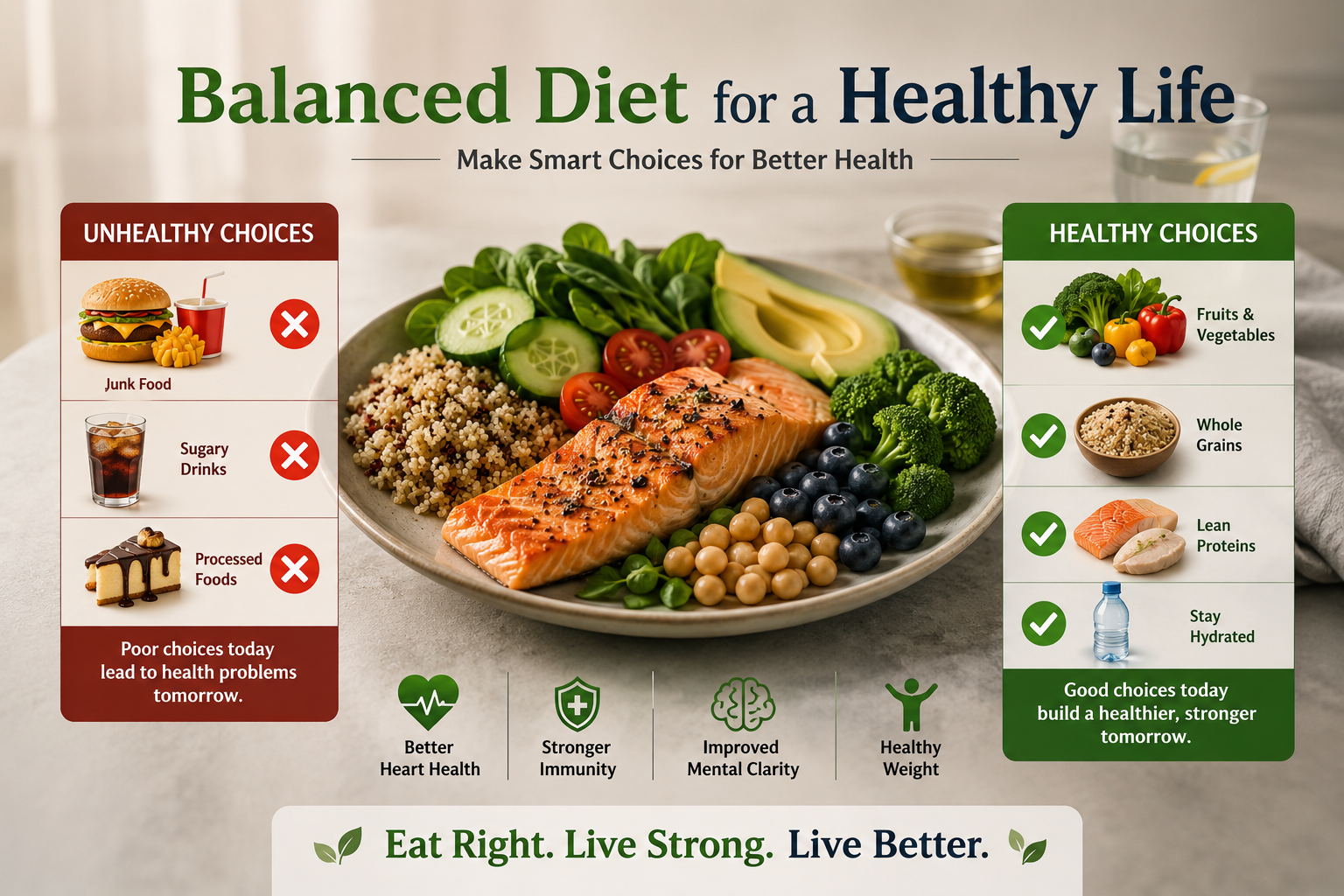
✔️ Replace sugary drinks with water or herbal beverages
✔️ Increase fresh vegetables in daily meals
✔️ Reduce packaged and fried foods
✔️ Practice portion control
✔️ Eat meals at regular times
✔️ Avoid excessive late-night eating
✔️ Include healthy fats and proteins
✔️ Limit excessive sugar and salt
✔️ Choose whole grains over refined grains
✔️ Eat mindfully without screen distractions
Consistency is more important than temporary motivation.
Food as a Foundation of Preventive Healthcare
Modern medicine is increasingly recognizing the role of nutrition in disease prevention. Many chronic diseases develop slowly through years of unhealthy lifestyle habits. Dietary modification offers a natural and cost-effective preventive strategy.
A healthy diet can:
✔️ Improve energy levels
✔️ Strengthen immunity
✔️ Enhance mental clarity
✔️ Improve digestion
✔️ Support healthy aging
✔️ Reduce disease risk
✔️ Improve quality of life
In holistic healthcare, food is not viewed merely as treatment after illness develops. It is considered a daily investment in long-term wellbeing.
The modern era has brought convenience, technology and faster lifestyles, but it has also distanced people from natural eating habits. Dietary modification is no longer optional for many individuals. It is becoming a necessary step toward preventing chronic disease and restoring balance in everyday life.
True health does not come from short-term diet trends or restrictive eating patterns. It comes from understanding the body’s needs and building sustainable habits that nourish both physical and mental wellbeing.
A holistic approach to dietary modification encourages people to reconnect with natural foods, mindful eating and balanced living. When used wisely, food has the power not only to sustain life but also to heal, energize and transform it.
More Blogs are
Essential Oil Therapy-simple, natural and surprisingly powerful Therapy
Indoor Plants-A Natural way to restore Balance and Holistic Health
Natural Lifestyle for Stress Management