
Essential Oil Therapy-simple, natural and surprisingly power...


THE SCIENCE OF PLANT ESSENCE
29 Sep, 2026
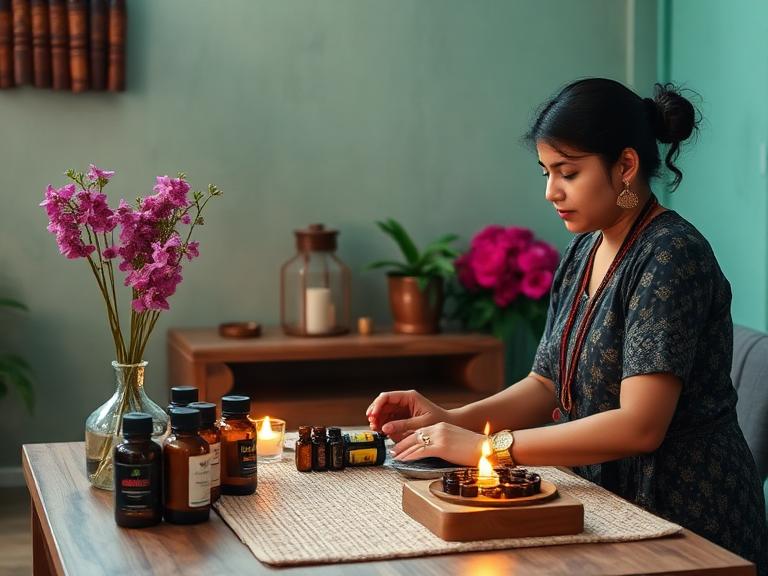
Essential Oil Therapy-simple, natural and surprisingly powerful Therapy
-
Holistic Health
-
29 Sep, 2026
Walk into a calm, softly lit room filled with the gentle scent of lavender or eucalyptus and you instantly feel it. Your shoulders drop, your breath slows and for a moment, life feels manageable again. That quiet transformation is the essence of essential oil therapy, often known as aromatherapy. It’s simple, natural and surprisingly powerful.
But this isn’t just a modern wellness trend. Essential oil therapy has roots that stretch back thousands of years and across civilizations. Today, it’s finding renewed relevance, especially in places like Nepal where traditional healing and natural living still hold strong cultural value.
A journey through ancient cultures
Essential oils have been part of human healing long before laboratories and pharmaceuticals took center stage.
Ancient Egyptians used plant extracts in religious rituals, skincare and embalming. In China and India, aromatic plants were integral to traditional medicine systems. In Ayurveda, oils like Sandalwood, Tulsi and Neem were used not just for physical ailments but also for balancing energy and emotions.
Even in ancient Greece, physicians recognized the medicinal value of aromatic herbs. The idea was simple but profound: plants carry life energy and their concentrated extracts can support human health.
Nepal, with its rich biodiversity and deep-rooted traditions, has always been close to this philosophy. Local communities have long used herbs like Jatamansi, Timur and Lemongrass for healing, often without labeling it as “essential oil therapy.” It was simply part of daily life.
What exactly is Essential Oil Therapy?
Essential oils are highly concentrated plant extracts obtained through distillation or cold pressing. These oils capture the natural aroma and therapeutic properties of plants.
Essential oil therapy works in two main ways:
Inhalation: When you breathe in essential oils, they interact with your brain through the olfactory system, influencing mood, stress levels and even memory.
Topical application: When applied to the skin (usually diluted), they can support physical healing, reduce inflammation and improve circulation.
It’s not magic. It’s biology combined with centuries of practical knowledge.
Common practices in Essential Oil Therapy
There’s no single way to use essential oils. That’s part of their appeal. You can easily integrate them into daily life without overhauling your routine.
1. Diffusion: Using a diffuser to spread essential oils into the air is one of the most popular methods. It’s perfect for stress relief, improving sleep, or simply refreshing your living space.
2. Massage Therapy: Blending essential oils with carrier oils like coconut or sesame oil creates a powerful massage experience. This not only relaxes muscles but also promotes emotional balance.
3. Steam Inhalation: A few drops of eucalyptus or peppermint oil in hot water can help clear nasal passages and ease respiratory discomfort.
4. Bath Therapy: Adding essential oils to a warm bath turns a simple routine into a deeply relaxing ritual.
5. Topical Application: Used carefully, essential oils can help with skin health, minor pain relief and even headaches.
Health benefits that go beyond the surface
Essential oil therapy stands out because it addresses both body and mind. It doesn’t just treat symptoms. It supports overall balance.
Stress and Anxiety Relief: Oils like lavender, chamomile and frankincense are known for their calming effects. In a fast-paced world, this alone makes them valuable.
Better Sleep: Many people struggle with sleep issues. Essential oils can help regulate sleep patterns naturally, without dependency.
Pain Management: Peppermint and eucalyptus oils can help reduce headaches, muscle pain and joint discomfort.
Respiratory Support: Inhaling certain oils can ease breathing, especially during seasonal changes or pollution exposure.
Skin Health: Tea tree, neem and rose oils are widely used for acne, infections and skin rejuvenation.
Emotional Balance: Perhaps the most underrated benefit. Essential oils can uplift mood, reduce irritability and create a sense of grounding.
Why it matters in the context of Nepal?
Nepal is uniquely positioned to benefit from essential oil therapy, both culturally and economically.
1. Rich Natural Resources: Nepal’s diverse geography supports a wide range of medicinal plants. From Himalayan herbs to Terai-grown botanicals, the raw materials are already here.
2. Traditional Knowledge: Communities across Nepal have long practiced herbal healing. Essential oil therapy builds on this existing knowledge rather than replacing it.
3. Growing Health Awareness: With rising stress, pollution and lifestyle diseases in urban areas like Kathmandu, people are actively seeking natural alternatives.
4. Sustainable Economic Opportunity: Essential oil production can support local farmers, promote sustainable agriculture and create value-added products for both domestic and international markets.
5. Alignment with Holistic Health Systems: Nepal already embraces Ayurveda, yoga and naturopathy. Essential oil therapy fits seamlessly into this ecosystem.
Modern-Day Applications for Holistic Wellness
Today, essential oil therapy is being used in more structured and professional ways.
In Wellness Centers and Spas: Therapies combining massage, aromatherapy and relaxation techniques are becoming increasingly popular.
In Hospitals and Clinics: Some integrative health centers are using essential oils alongside conventional treatments to support recovery and reduce stress.
At home: People are using essential oils in daily routines. A few drops in a diffuser during work hours, or before sleep, can make a noticeable difference.
In Workplace Wellness Programs: Forward-thinking organizations are introducing aromatherapy to improve employee well-being and productivity.
In Personal Care Products: From toothpaste to skincare, essential oils are becoming key ingredients in natural product lines.
A Balanced Perspective
Essential oil therapy is powerful, but it’s not a cure-all. It works best as part of a broader holistic approach that includes proper nutrition, physical activity, mental well-being and medical care when needed.
Quality also matters. Pure, well-sourced oils are essential for safety and effectiveness. Misuse or overuse can lead to irritation or adverse effects, so understanding proper dilution and application is important.
The future of essential oil therapy in Nepal
The future looks promising. As awareness grows, Nepal can become a hub for high-quality essential oils rooted in authenticity and sustainability.
Imagine locally sourced Lemongrass oil from Chitwan, Juniper from the Himalayas, or Jatamansi processed with modern techniques but guided by traditional wisdom. This isn’t far-fetched. It’s already happening in small pockets.
What’s needed is structured development, quality control and education so that both producers and users can benefit fully.
Essential oil therapy sits at the intersection of tradition and science. It’s simple, accessible and deeply aligned with the idea of holistic healing.
In a world that often feels overwhelming, something as basic as the scent of a plant can bring clarity, calm and balance. That’s not just wellness. That’s a return to something fundamentally human. And in Nepal, where nature and tradition are still closely connected, essential oil therapy isn’t just relevant. It feels like coming home.
More Blogs are
Indoor Plants-A Natural way to restore Balance and Holistic Health
Natural Lifestyle for Stress Management
Barley Grass Extract: The Green Superfood you don’t want to ignore