
THE SCIENCE OF PLANT ESSENCE



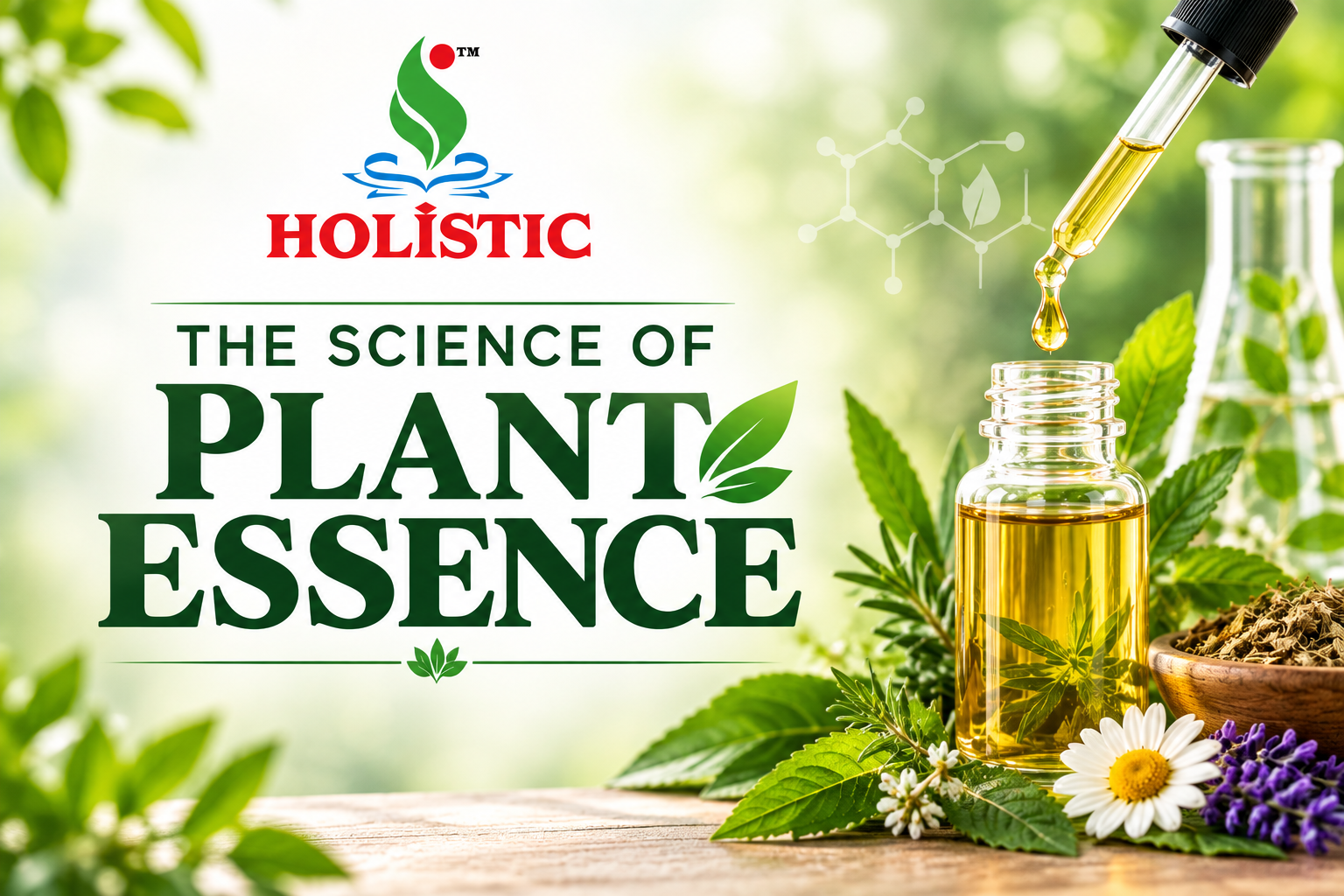
THE SCIENCE OF PLANT ESSENCE
29 Sep, 2026
THE SCIENCE OF PLANT ESSENCE
-
Holistic Health
-
29 Sep, 2026
In today’s world dominated by synthetic interventions, the turn toward holistic wellness is more than a trend: it is a return to fundamental biology. At the intersection of ancient botanical wisdom and modern clinical research sit Medicinal and Aromatic Plants (MAPs). These remarkable species synthesize complex chemical compounds that do far more than emit pleasing fragrances; they offer direct, therapeutic support for human health.
Among the most potent derivatives of MAPs are essential oils. Often referred to as the "essence" or volatile secondary metabolites of the plant, these liquid extracts carry distinct biological activities capable of calming an overactive nervous system, easing systemic inflammation and supporting cellular health.
Whether you are a seasoned wellness practitioner or just beginning your natural health journey, understanding the biochemical mechanisms, therapeutic profiles and practical uses of essential oils will transform how you approach daily self-care.
What are essential oils?
Despite their name, essential oils are not actual fats or lipids. They are highly concentrated, volatile organic compounds extracted from various parts of medicinal and aromatic plants, including flowers, leaves, bark, roots, seeds, and fruit rinds.
Plants produce these compounds for survival: to deter herbivores, protect against fungal and bacterial pathogens, and attract pollinators. When extracted, typically through precise steam distillation or cold-pressing, the resulting liquid concentrates hundreds of active phytochemicals into a single drop.
The Key Biochemical Families
The therapeutic versatility of an essential oil depends on its unique chemical signature. The primary active constituents include:
- Terpenes (Monoterpenes & Sesquiterpenes): Found in pine, citrus, and frankincense. Terpenes act as potent antioxidants and help protect plant tissue—and human cells—from oxidative stress.
- Esters: Prevalent in Lavender (Lavandula angustifolia) and Roman Chamomile (Chamaemelum nobile). Esters are renowned for their soothing, anti-spasmodic, and nervous system-calming properties.
- Phenols & Aldehydes: Found in Oregano, Thyme, and Lemongrass. These compounds possess strong antimicrobial, antibacterial, and antifungal actions.
- Oxides: Such as 1,8-cineole (eucalyptol), abundant in Eucalyptus (Eucalyptus globulus) and Rosemary (Salvia rosmarinus). Oxides support respiratory clarity and mental focus.
The Neurological Connection: How plant aromas influence the brain?
The primary pathway through which inhaled essential oils exert their influence on the human mind is the olfactory system.
When you inhale the microscopic volatile molecules released by a diffuser or tissue, they bind to olfactory receptors in the nasal cavity. These receptors send instantaneous electrical signals directly to the limbic system: the ancient region of the brain responsible for emotion, memory, stress responses, and autonomic nervous regulation.
Because the limbic system connects directly to parts of the brain that control heart rate, blood pressure, breathing, memory, and hormone balance, pure botanical scents can alter physical state within seconds. Inhaling compounds like linalool (in lavender) stimulates GABA receptors, reducing sympathetic nervous system output ("fight or flight") and encouraging parasympathetic rest.
Top Medicinal & Aromatic Oils for Holistic Wellness
While dozens of botanical species yield essential oils, a few core plants serve as foundational pillars in holistic practice:
1. Lavender (Lavandula angustifolia) – Stress & Sleep
- Primary Constituents: Linalool, Linalyl acetate
- Key Benefits: Lowers cortisol markers, eases anxiety, and improves sleep architecture. Research shows that lavender inhalation increases slow-wave sleep, allowing for deeper physical and mental restoration.
2. Peppermint (Mentha x piperita) – Energy & Digestion
- Primary Constituents: Menthol, Menthone
- Key Benefits: Promotes mental clarity, relieves tension headaches, and supports smooth muscle relaxation. Topically applied (diluted) to the temples, it creates a cooling sensation that dampens pain signalling.
3. Frankincense (Boswellia carterii) – Cellular Support & Grounding
- Primary Constituents: alpha-Pinene, Limonene
- Key Benefits: Long revered in traditional medicine, Frankincense supports cellular turnover, deepens breath work, and quiets a racing mind during meditation or yoga.
4. Tea Tree (Melaleuca alternifolia) – Microbial Balance
- Primary Constituents: Terpinen-4-ol, gamma-Terpinene
- Key Benefits: A potent broad-spectrum antimicrobial. It is ideal for holistic skincare, natural cleaning remedies, and supporting skin immunity against minor blemishes or fungal imbalances.
5. Eucalyptus (Eucalyptus globulus) – Respiratory Vitality
- Primary Constituents: 1,8-Cineole
- Key Benefits: Breaks up mucus, reduces sinus congestion, and acts as a natural air purifier when diffused.
Integrating essential oils into your daily routine
To gain real therapeutic benefit from aromatic plants, consistency and technique matter. Here are three evidence-backed ways to weave essential oils into a holistic routine:
1. Ultrasonic Diffusion
Adding 3 to 5 drops of pure essential oil to a cold-mist ultrasonic diffuser dispersed into living or workspaces alters environmental energy and air quality. Diffuse Peppermint and Lemon in the morning to sharpen focus, or switch to Lavender and Frankincense in the evening to prepare your nervous system for sleep.
2. Mindful Topical Application
Because essential oils are fat-soluble, they readily penetrate the skin barrier to enter local tissue and capillaries. Always mix pure essential oils into a quality carrier oil (such as jojoba, sweet almond, or rosehip seed oil) before applying to the skin. Apply diluted oil to pulse points, the bottoms of the feet, or areas of muscular tension.
3. Therapeutic Soaks
Combine 5 drops of skin-safe essential oils (like Chamomile or Lavender) with one cup of Epsom salts (magnesium sulfate) before adding them to warm bathwater. The salt safely disperses the oil droplets, creating a restorative bath that relaxes tight muscles and releases aromatic steam.
Safety and Pure Sourcing: Quality Matters
Because essential oils are unrefined and potent, quality makes all the difference. Low-grade synthetic fragrances or adulterated oils often cause skin irritation, headaches, and respiratory inflammation rather than healing benefits.
- Look for Transparency: Choose brands that list the exact botanical name (e.g., Lavandula angustifolia, not just "Lavender oil"), plant origin, extraction method, and third-party GC/MS (Gas Chromatography/Mass Spectrometry) test results.
- Dilute Diligently: Standard adult dilution is 1% to 2% (approx. 6 to 12 drops of essential oil per 1 ounce of carrier oil).
- Avoid Internal Ingestion: Unless working directly under the supervision of a licensed clinical aromatherapist or medical practitioner, do not drink or ingest essential oils. They can irritate delicate mucosal linings and strain liver metabolism.
- Mind Sensitive Populations: Keep diffusers away from small pets, infants, and individuals with severe asthmatic conditions, as certain volatile compounds (like high-cineole oils) can trigger respiratory reactivity.
The future of Natural Healing
Essential oils represent a bridge between traditional herbalism and modern wellness. By understanding the chemistry and biological pathways of these aromatic plant extracts, we can move beyond basic aromatherapy and build intentional habits that support physical resilience, emotional steady-state, and environmental health.
Buy essential oils from us:
https://eholisticmedia.com/holistic-manufacture/
More Blogs are
Yoga for Health Improvement: Benefits, Practices & Wellness TipsUnderstanding the Golden Spice: Ancient times to a natural anti-inflammatory Supplement11 Tips for a Healthy Daily Wellness Routine