
The Ancient Superfood Powering Modern Holistic Health: Spiru...
Moringa and its Health Benefits
27 Oct, 2026


The Ancient Superfood Powering Modern Holistic Health: Spirulina
-
Holistic Health
-
06 Oct, 2026
In recent years, people around the world have started looking beyond conventional nutrition and turning toward natural foods that nourish the body at a deeper level. Among these emerging superfoods, spirulina has gained remarkable attention. From health enthusiasts to holistic healers, many consider it one of the most nutrient-dense foods available today.
But, spirulina is not a novel food. In fact, it has been consumed for centuries. What makes it unique is how well it aligns with the principles of holistic health: supporting the body, mind and immune system through natural nutrition.
What is Spirulina?
Spirulina is a blue-green algae that grows naturally in alkaline lakes and warm freshwater environments. Technically, it belongs to a group of microorganisms called cyanobacteria, which are known for their powerful nutritional properties.
Historically, spirulina was consumed by ancient civilizations. The Aztecs harvested it from Lake Texcoco in Mexico and communities in parts of Africa traditionally collected it from Lake Chad. These cultures valued it as a sustainable and energy-boosting food.
Today, spirulina is cultivated globally and is commonly available as powder, tablets, or capsules.
A Nutritional Powerhouse
One of the main reasons spirulina has become so popular is its exceptional nutritional profile. It contains an impressive concentration of essential nutrients in a very small serving.
Key nutrients found in spirulina include:
- High-quality plant protein (about 60–70% by weight)
- Iron
- Vitamin B complex
- Magnesium
- Potassium
- Essential fatty acids
- Chlorophyll
- Antioxidants
One of the most important compounds in spirulina is phycocyanin, a pigment that gives the algae its blue-green color. This compound is known for its strong antioxidant and anti-inflammatory properties.
Because of this combination of nutrients, spirulina is often called a complete superfood.
Spirulina and Holistic Health
Holistic health focuses on strengthening the body's natural ability to heal itself. Rather than treating symptoms alone, it emphasizes balance in nutrition, lifestyle and mental well-being.
Spirulina fits naturally within this approach because it works on multiple systems in the body.
1. Supporting Natural Detoxification
Spirulina contains chlorophyll and antioxidants that may help the body remove toxins and heavy metals. These compounds support the liver, which plays a central role in detoxification.
In holistic healing practices, detoxification is considered an essential step toward restoring balance in the body.
2. Strengthening the Immune System
A strong immune system is the foundation of good health. Spirulina contains immune-supporting nutrients such as zinc, iron and antioxidants that help protect cells from oxidative stress.
Research suggests that spirulina may stimulate the activity of immune cells and improve the body's defense against infections.
For people seeking natural ways to improve resilience and vitality, spirulina offers a simple nutritional boost.
3. Increasing Energy and Reducing Fatigue
Many people report increased energy levels after adding spirulina to their daily routine.
This effect is largely due to its rich protein content, iron and micronutrients that support oxygen transport and metabolism. Unlike caffeine-based stimulants, spirulina provides sustained energy without causing crashes.
Holistic practitioners often recommend spirulina for individuals experiencing fatigue, stress, or nutrient deficiencies.
4. Supporting Heart and Metabolic Health
Studies have suggested that spirulina may help maintain healthy cholesterol levels and improve lipid metabolism.
Its antioxidants help reduce inflammation, which is often linked to chronic diseases such as heart disease, diabetes and metabolic disorders.
By supporting metabolic balance, spirulina contributes to long-term wellness.
Why Spirulina is becoming popular?
The growing popularity of spirulina is not just a trend. Several global health and lifestyle shifts have contributed to its rising demand.
Rising interest in natural healing
People are increasingly seeking natural ways to maintain health rather than relying solely on pharmaceutical interventions. Superfoods like spirulina fit well into preventive and holistic health approaches.
Plant-Based nutrition movement
As more people adopt vegetarian and plant-based diets, nutrient-dense plant foods are gaining importance. Spirulina offers a valuable source of plant protein, making it attractive to those reducing animal-based foods.
Focus on Immune Health
The recent global focus on immunity has encouraged many individuals to strengthen their nutritional habits. Spirulina’s antioxidant and immune-supporting properties have made it a popular supplement in this regard.
Sustainability and future food
Spirulina is also considered one of the most sustainable food sources on the planet.
It requires significantly less land and water than traditional protein sources and can be cultivated in controlled environments. Because of this, scientists and food organizations see spirulina as a potential solution for future food security.
Even organizations like World Health Organization and NASA have explored spirulina for addressing malnutrition and for long-term space missions due to its nutrient density.
How to use Spirulina?
Spirulina is versatile and easy to include in daily nutrition.
Common ways to consume spirulina include:
- Taking tablets or capsules as supplements
- Mixing spirulina powder into smoothies
- Adding it to green juices
- Stirring it into energy balls or protein shakes
Because it has a strong earthy taste, many people prefer blending it with fruits such as banana, pineapple or mango.
For beginners, starting with a small dose and gradually increasing intake is generally recommended.
Safety and quality considerations
While spirulina is widely considered safe, quality matters.
Spirulina can absorb contaminants from the environment if it is grown in polluted water. Therefore, it is important to choose products from trusted manufacturers that test for heavy metals and toxins.
People with certain medical conditions should also consult healthcare professionals before taking new supplements.
The future of Spirulina in Holistic Healing
As the global wellness movement continues to grow, spirulina is likely to remain an important part of natural nutrition.
Its combination of dense nutrients, antioxidant power and sustainable production makes it unique among superfoods. For individuals pursuing holistic health, spirulina represents more than just a supplement. It reflects a shift toward mindful nutrition and preventive wellness.
In a world where people are rediscovering the healing power of nature, spirulina stands out as a simple yet powerful reminder that sometimes the smallest organisms can deliver the greatest benefits.
Spirulina bridges ancient wisdom and modern science. With its remarkable nutritional profile and wide-ranging health benefits, it has become a key player in the holistic health movement.
As more people embrace natural healing and preventive care, spirulina will likely continue gaining recognition as one of nature’s most powerful superfoods.
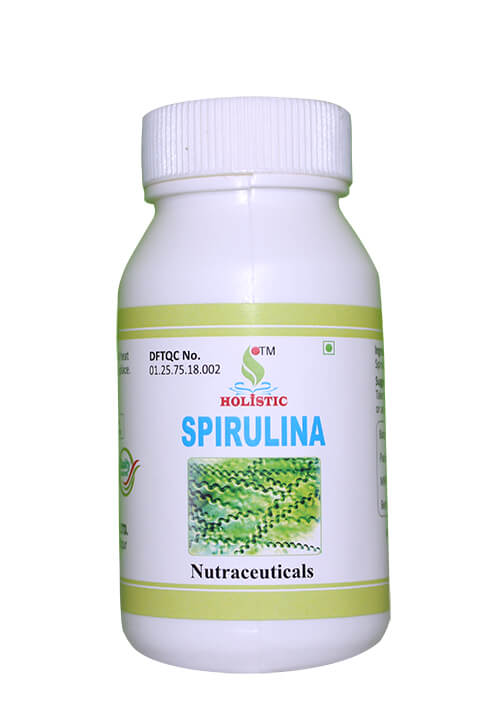
Spirulina
Spirulina is a type of cyanobacteria, commonly known as blue-green-algae. It is one of the most nutritious food supplement available in the world.
Buy Now Online
More Blogs are
Holistic Healing: Mind, Body and Spirit Wellness
Tongkat Ali and its effectiveness
External Body Care: Why Natural Ingredients Matter in Holistic Health?